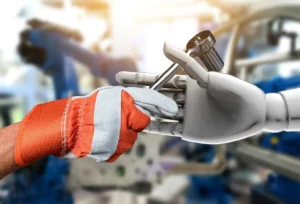
Your flawless CV might get you through the front door, but it is your personality and interpersonal abilities that will actually secure the job offer.
Advertisement
In today’s highly competitive market, possessing the right technical qualifications is simply the baseline. Employers across the country are facing a rapidly changing economic landscape.
They are no longer just looking for someone who can perform a task. Instead, they want someone who can navigate complex team dynamics, adapt to sudden changes, and communicate effectively.

If you have been applying for roles without success, the missing ingredient might not be your hard skills. A lack of demonstrable soft skills UK jobs require right now could be holding you back.
In this guide, we break down exactly which interpersonal attributes hiring managers are seeking. We will also explore how to showcase these abilities in high-growth sectors.
The Growing Importance of Employability Skills UK
The modern workplace is evolving at a breakneck pace. With the rise of AI, automation, and remote work, technical requirements change every few years.
Because of this, companies are shifting their hiring focus. Employers now heavily prioritize employability skills UK candidates bring to the table.
These are the foundational, transferable skills that allow an individual to be a successful employee, regardless of the industry or software used.
Why are these traits so vital? While a company can easily train you on a new database, it is difficult to teach empathy, drive, or natural problem-solving.
Hiring managers view these human-centric skills as an insurance policy. An employee with strong adaptability and a great attitude helps the company thrive during uncertain times.
Top 5 Soft Skills UK Employers Are Actively Seeking
To reduce the time it takes to get hired, focus on cultivating and highlighting specific traits. Here are the five non-technical abilities dominating job descriptions across the United Kingdom.
1. Exceptional Communication Skills Jobs Demand Today
It is impossible to overstate the importance of clear communication. Whether you work remotely or in-office, how you convey information determines your effectiveness.
The best communication skills jobs require go far beyond just speaking well. Employers look for candidates who excel at:
- – Active Listening: Truly understanding a colleague before formulating a response.
- – Written Clarity: Crafting concise, polite, and actionable digital messages.
- – Non-Verbal Cues: Maintaining positive body language and professional presence during video calls.
2. Adaptability and Problem Solving
The phrase “we have always done it this way” is a red flag for modern recruiters. Companies want agile thinkers who do not panic when project parameters change.
During your application, demonstrate times when you faced an unexpected hurdle and pivoted gracefully. Solving problems independently without micromanagement is a surefire way to fast-track your hiring.
3. Emotional Intelligence and Empathy
Emotional intelligence (EQ) is the ability to manage your own emotions and influence those around you. High EQ creates a positive environment and reduces conflict.
This is crucial in public-facing roles. Healthcare soft skills UK employers look for are centered around empathy, patience, and resilience when dealing with vulnerable populations.
4. Mastering Teamwork Skills Workplace Dynamics
Modern businesses thrive on cross-departmental collaboration. Excellent teamwork skills workplace environments require mean knowing how to share credit and accept constructive criticism.

Hiring managers frequently ask behavioral questions to reveal if you are a team player. Stepping up to help a colleague meet a deadline can set you apart.
5. Time Management and Self-Organization
With remote work becoming a permanent fixture, employers must trust you are working when you say you are. Your output must speak for itself.
Candidates who prove they can prioritize tasks and meet strict deadlines without supervision are highly prized in today’s economy.
Spotlight: Healthcare Soft Skills UK – A Booming Sector
Interpersonal skills are literally life-saving in the UK healthcare sector. Demand for dedicated professionals is at an all-time high, and technical degrees are only part of the equation.
Whether you are a nurse or a clinical administrator, communicating complex information compassionately is paramount. You must remain calm under pressure while working in multidisciplinary teams.
If you possess empathy and resilience, we highly recommend you explore rewarding NHS career opportunities to see how your attributes translate into a long-term career.
The health sector extends beyond hospitals to private care and health tech. You can discover diverse positions within the UK healthcare industry that align with your unique blend of skills.
How to Showcase These Traits in Your Job Interview Skills UK
Claiming you have great communication on a cover letter is easy. Proving it during an interview is the real challenge.

To master the job interview skills UK hiring managers expect, use the STAR method (Situation, Task, Action, Result) for behavioral questions.
Tell a specific, concise story about a time you resolved a crisis. Your tone, listening skills, and enthusiasm are all being evaluated by the recruiter.
If you need broader guidance on the current market, consult the official UK Government resources for finding a job for foundational advice.
Common Pitfalls: Why Your Resume Might Be Failing You
Many skilled candidates are rejected by automated Applicant Tracking Systems (ATS) or human recruiters within seconds. This is often due to poor formatting or lack of keywords.
If you are applying to roles and hearing nothing back, your CV is likely the bottleneck. You must learn how to weave soft skills into your bullet points effectively.
Tools and Resources for Job Seekers
Developing interpersonal skills is an ongoing journey. Even seasoned professionals can benefit from continuous learning and self-assessment.
Understanding your own strengths and weaknesses objectively is highly beneficial. You can access the National Careers Service for professional skills assessments to get a clear picture of your profile.
A Checklist for Developing Your Soft Skills
| Soft Skill | Why UK Employers Want It | How to Practice & Improve |
|---|---|---|
| Communication | Ensures smooth operations and prevents misunderstandings. | Practice active listening and read emails aloud before sending. |
| Adaptability | Allows companies to pivot quickly in changing markets. | Volunteer for tasks outside your comfort zone and embrace new software. |
| Emotional Intelligence | Crucial for team harmony and client relations. | Ask for constructive feedback and practice stress management. |
| Teamwork | Drives innovation through collaborative problem-solving. | Offer to assist coworkers and celebrate collective wins. |
| Time Management | Guarantees productivity in remote or hybrid roles. | Use time-blocking and prioritize tasks with the Eisenhower Matrix. |
Conclusion: Your Next Steps to Landing Your Dream Job
The UK job market is competitive, but it offers incredible opportunities for those who present themselves properly. Your soft skills will set you apart from the crowd.
By developing your communication and emotional intelligence, you are setting yourself up for long-term career progression and leadership roles.
Start today by auditing your CV to ensure it reflects these valuable traits. Practice your interview responses and stay adaptable. The right employer is looking for your potential.