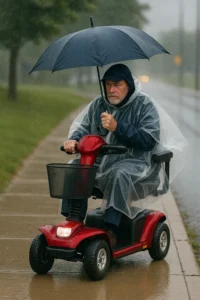
One of the most common concerns for mobility scooter users is battery range – the distance you can travel on a single charge. Running out of power unexpectedly, far from home or your destination, can be stressful and inconvenient. While scooter manufacturers provide estimated range specifications, these figures are often based on ideal laboratory conditions: a lightweight rider, perfectly flat and smooth surfaces, moderate temperatures, a brand-new battery, and steady speeds. Real-world conditions are rarely so perfect.
Advertisement
The good news is that the actual range you achieve isn’t entirely fixed. While factors like battery age and inherent scooter design play a role, there are numerous practical tips and driving techniques you can employ to significantly influence – and often extend – how far you can travel on each charge. By understanding the factors that consume battery power and adopting energy-efficient habits, you can actively maximize your scooter’s range, reduce “range anxiety,” and gain more confidence for longer journeys. This guide delves into actionable strategies to help you conserve energy and truly go the extra mile.
Understanding the Key Factors That Drain Your Battery
Before diving into tips, let’s quickly review what consumes the most energy:
- Battery Condition: Older batteries naturally hold less charge. Poor maintenance (like letting them deep discharge often or corroded terminals) further reduces capacity.
- Total Weight: The heavier the load (rider + cargo + accessories), the more power the motor needs to move it.
- Terrain Type: Climbing hills requires significantly more energy than riding on flat ground. Soft surfaces like grass, gravel, or thick carpet create more rolling resistance, demanding more power.
- Tire Pressure: Underinflated tires flatten more, increasing the contact area with the ground and creating higher rolling resistance, which drains the battery faster.
- Driving Style: Frequent, rapid acceleration and deceleration use more energy than maintaining a smooth, steady speed.
- Speed Selection: Generally, higher speeds consume more power per mile traveled.
- Ambient Temperature: Extreme cold drastically reduces battery efficiency and available range. High heat can also have some negative effects.
- Accessory Use: Running headlights, taillights, or charging devices via USB ports draws power from the main battery.
- Scooter Maintenance: Issues like dragging brakes or poorly lubricated parts can create extra friction and waste energy.
By managing these factors, you can directly influence your scooter’s range.
Tip 1: Prioritize Optimal Battery Care
This is foundational. A healthy battery is capable of delivering its maximum potential range. (Refer to our detailed Battery Care guide for more depth).
- Charge Regularly and Fully: Follow the manufacturer’s charging recommendations – typically, this means fully charging the battery after each day of significant use, often overnight (8-12 hours). Avoid consistently running the battery completely flat, as this stresses lead-acid batteries in particular.
- Use the Correct Charger: Always use the charger specifically designed for your scooter model and battery type to ensure efficient and safe charging.
- Keep Terminals Clean and Tight: Inspect battery terminals periodically for corrosion (white/blue powder). Clean them with a wire brush and ensure connections are tight to minimize electrical resistance, which wastes energy.
- Store Appropriately: Avoid storing your scooter or batteries in extreme temperatures (freezing cold or intense heat) for prolonged periods, as this can degrade battery health and capacity over time.
- Recognize Battery Aging: Be realistic. As batteries age (1-3 years typical lifespan), their maximum range will inevitably decrease. If you notice a significant, permanent drop in distance despite proper care, it’s likely time for replacement. Trying to squeeze extra miles from severely degraded batteries is often futile and risks getting stranded.
Tip 2: Maintain Proper Tire Pressure – The Easy Win
This is arguably the single most effective and easiest way to maximize range.
- Impact Explained: When tires are underinflated, they flatten out more where they contact the ground. This larger ‘contact patch’ increases friction (rolling resistance), meaning the motor has to work significantly harder – and use more battery power – just to maintain speed.
- Check Weekly: Get into the habit of checking the pressure in all tires (especially the drive wheels) at least once a week using a reliable tire pressure gauge (digital or pencil type).
- Inflate to Recommended PSI: Inflate tires to the pressure recommended by the scooter manufacturer, which is usually printed on the tire sidewall or listed in the owner’s manual. Do not guess – use a gauge!
- Consistency is Key: Even a few PSI below the recommendation can noticeably impact range.
Tip 3: Cultivate Smooth Driving Techniques
How you accelerate, cruise, and decelerate makes a difference.
- Gentle Acceleration: Avoid demanding maximum power instantly. Squeeze the throttle lever (wig-wag) smoothly and gradually to get up to speed. “Jack-rabbit” starts consume a surge of energy.
- Maintain a Steady Speed: Once at your desired cruising speed, try to maintain it as consistently as possible. Frequent speeding up and slowing down is less efficient than holding a steady pace. Use the speed limiter dial to help set and maintain a consistent maximum speed appropriate for your environment.
- Anticipate Stops and Slowdowns: Look well ahead on your path. If you see you’ll need to stop (e.g., at an intersection, for pedestrians), release the throttle early and allow the scooter’s automatic electromagnetic brakes to bring you to a smooth stop. This is more energy-efficient than driving at speed and then braking hard.
- Minimize Stop-Start: While unavoidable in many situations, try to plan routes or travel times that minimize very frequent stopping and starting if maximizing range is critical for a particular journey.
Tip 4: Strategic Speed Management
Faster isn’t always better for range.
- Energy Consumption vs. Speed: Aerodynamic drag and motor inefficiency increase significantly at higher speeds. While your scooter’s top speed might be 8 mph, traveling consistently at 5-6 mph will likely yield considerably better range.
- Find the ‘Sweet Spot’: Experiment with different speeds on familiar routes. You might find a moderate speed that provides a good balance between travel time and energy conservation for your specific scooter.
- Use Lower Speed Settings: When navigating crowded areas, indoors, or situations where high speed isn’t necessary, use the lower settings on your speed dial. This inherently conserves energy.
Tip 5: Plan Your Route for Efficiency
Where you ride matters as much as how you ride.
- Choose Flatter Routes: Hills are major battery drainers. If you have a choice between a short, steep route and a slightly longer but flatter route, the flatter route will almost always consume less battery power. Use online map tools (like Google Maps with terrain layer, or cycling apps) to visualize elevation changes when planning unfamiliar routes.
- Prioritize Smooth Surfaces: Riding on smooth pavement requires the least energy. Grass, gravel, thick carpet, and bumpy paths all increase rolling resistance and drain the battery faster. Stick to well-maintained sidewalks and paths whenever possible if range is a priority.
- Consider Stop Density: While secondary to terrain, routes with fewer stop signs or traffic lights can contribute to slightly better efficiency by allowing more continuous travel.
Tip 6: Manage Your Weight Load
The total weight your scooter carries directly impacts energy use.
- Carry Only Essentials: Be mindful of the cargo you carry in baskets or bags. Extra, unnecessary weight requires more power to move. Pack smart and leave non-essentials at home if you need to maximize distance.
- Distribute Weight Evenly: Ensure cargo is balanced to maintain scooter stability, though this has less direct impact on range than total weight.
- Acknowledge Rider Weight: While not something you can change easily, understand that a heavier rider will naturally achieve less range than a lighter rider on the exact same scooter under identical conditions. Set your personal range expectations accordingly.
Tip 7: Be Aware of Temperature Effects
- Cold Weather Impact: This is significant. Batteries perform much less efficiently in cold temperatures (roughly below 40-50°F or 5-10°C). Expect your range to be noticeably reduced in winter. If possible, store your scooter indoors and start your trip with a warmer battery.
- Hot Weather Impact: Less detrimental to immediate range than cold, but prolonged exposure to extreme heat can potentially shorten the overall lifespan of batteries. Avoid parking in direct, intense sun for hours.
Tip 8: Minimize Unnecessary Accessory Drain
While often minimal, accessory power use adds up.
- Lights: Use headlights and taillights when necessary for safety (nighttime, rain, poor visibility), but turn them off during clear daylight hours if range is critical.
- USB Charging Ports: Charging your phone or other devices draws power from the scooter battery. Avoid doing this if you need to conserve every bit of range for your journey. Charge devices separately beforehand.
Tip 9: Keep Your Scooter in Peak Condition
A well-maintained scooter runs more efficiently.
- Check for Dragging Brakes: Ensure the brakes fully disengage when you release the lever or throttle. Brakes that drag slightly create constant friction and waste energy. Listen for scraping sounds.
- Lubrication: Follow your manual’s recommendations for lubricating any necessary points (e.g., tiller adjustments, seat post). Reduced friction means less wasted energy.
- General Cleanliness: Keep wheels free of mud and debris that can increase rolling resistance.
Tip 10: Know Your Scooter’s *Real* Range
Don’t rely solely on the advertised numbers.
- Track Your Usage: The best way to avoid range anxiety is to understand how far *your* scooter goes under *your* typical riding conditions (your weight, your terrain, your driving style).
- Keep a Mental Note (or Log): After a full charge, make a mental note or jot down how far you traveled and the conditions encountered when the battery gauge starts getting low. Do this a few times to establish your personalized, realistic range.
- Plan Accordingly: Once you know your realistic range, plan your trips to stay comfortably within that limit, leaving a buffer for unexpected detours or headwinds.
Conclusion: Taking Control of Your Journey’s Length
Maximizing your mobility scooter’s battery range is an achievable goal that combines good maintenance practices with mindful driving habits and strategic planning. While you can’t change the laws of physics or the inherent capacity of your battery, you absolutely *can* influence how efficiently that stored energy is used. By consistently caring for your battery, keeping tires properly inflated, driving smoothly, managing speed, choosing efficient routes, minimizing unnecessary weight, and being aware of environmental factors, you can significantly extend your travel distance per charge.
Understanding and implementing these tips not only helps prevent the inconvenience of running out of power but also fosters a greater sense of confidence and freedom, empowering you to undertake longer journeys and explore further. Take control of your energy consumption, and enjoy the extra miles of independence.